
Buying a home is about more than just the house itself; it’s also about becoming part of a community. The decisions that municipal councils and housing associations make can really affect your property value, your day-to-day life, and your neighborhood’s overall feel. Even so, many people don’t use these resources very often, mainly because it’s tricky to know where to start.
Living in Sharon Hill, a suburb of Philadelphia, puts us right at the heart of our community’s local government. As Chair of the Sharon Hill Borough Zoning Board—and married to Borough Council Vice President Rodney Hill, I’ve seen community engagement from all sides. That front-row seat has taught me that the best way to feel connected to your community is simply knowing where to direct your questions and to get involved. Whether you’re dealing with a municipal council, an HOA, or a condo board, understanding how these systems work makes it much easier to advocate for your home when it counts.

What do Local Municipal Councils Do Exactly?
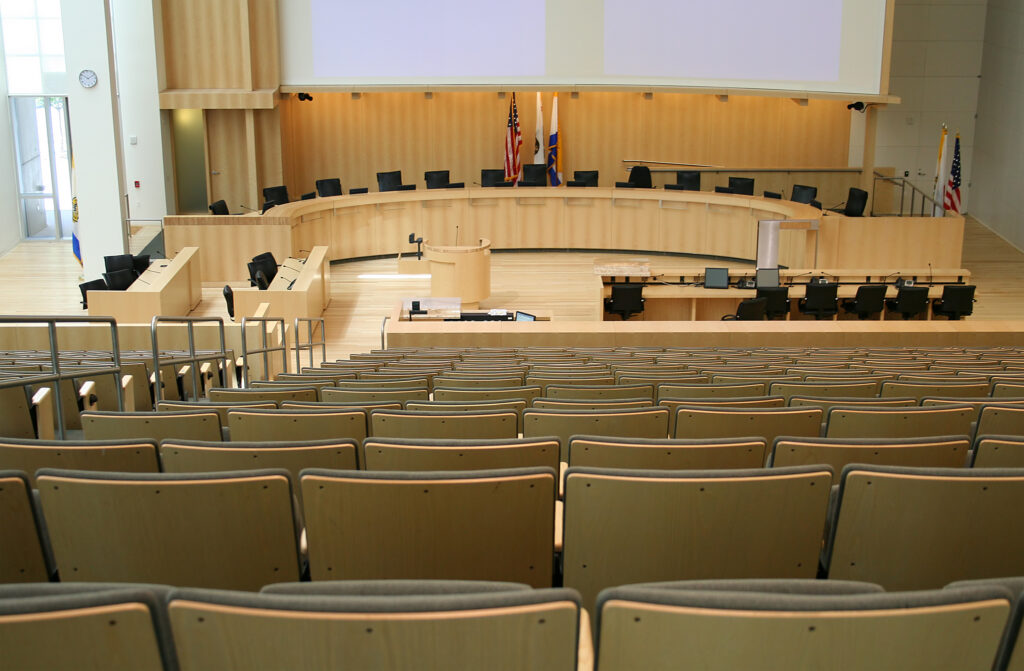
Municipal councils handle broad community infrastructure and municipal services. They oversee zoning laws, road maintenance, public safety budgets, local development projects, and more.
- Attend Public Meetings: Most municipal councils hold regular meetings open to the public, offering dedicated open-forum periods for resident input. (If you’re in Philadelphia, the next City Council meeting is September 17th, 2026).
- Review Agendas: Council agendas are published online prior to meetings, allowing you to track topics that directly affect your neighborhood.
- Reach Out Directly: Council members represent specific districts; reaching out via email or phone regarding local issues ensures your neighborhood voice is heard.
Understanding Your Own Housing Association
While municipal councils govern the larger city, borough, or township, housing associations govern immediate residential developments and condo buildings. They set community rules, maintain shared amenities or common building elements, and enforce architectural guidelines.
- Review the Bylaws: Understanding your community’s Covenants, Conditions, and Restrictions (CC&Rs) or condo master deeds helps clarify what the board manages versus what falls under individual owner responsibility.
- Attend Board Meetings: Regular attendance keeps you informed on upcoming rule changes, maintenance schedules, special assessments, and financial reserves.
- Join a Committee: Participating in architectural, social, or landscaping committees provides a direct way to influence neighborhood standards and board decisions.

Key Resources:
- The Local Municipality Website:
- If you’re in Philly, go to phlcouncil.com to get started. For suburban townships or boroughs, a quick search for your local government portal will give you meeting schedules, news updates, and contact directories.
- The Municipal Clerk:
- This is the municipal official responsible for posting the agendas, managing speaker lists, and answering procedural questions.
- Ward, District or Board Representatives:
- These are the locally elected officials that you can reach out to via phone or email to voice concerns outside of the formal meetings.
- Find the Council on Socials
- These days, most municipal council groups will have a social media presence. Find it and start following along.
- Mailing Lists:
- Maybe you don’t want to go to every meeting, but if you are interested in knowing more about what‘s going on in the community, join the mailing list and stay in the know.
Attending municipal council and association meetings does more than just keep you informed; it helps you build a genuine sense of connection. Showing up in person allows you to make your voice heard directly on issues that impact your daily life, transforming passive feedback into meaningful influence.
Plus, these meetings are great spots to meet your neighbors. Connecting with people who care about the same parks and streets builds a real sense of community. Showing up turns just living in a house into being part of a team. It’s the best way to help keep your neighborhood a great place to live.


