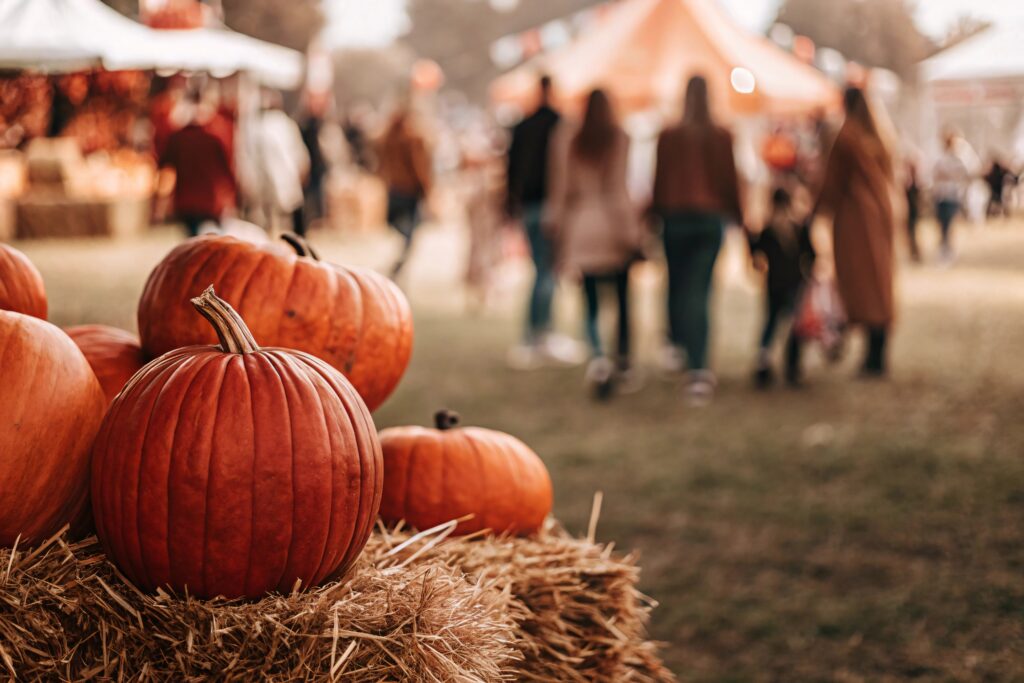
Fall is such a special season to gather, slow down, and connect with the people around us. Crisp sweater weather and vibrant autumn leaves make it the perfect backdrop for getting involved, discovering local neighborhood traditions, and building lasting bonds with our community. To help you embrace the season, I’ve put together a list of autumn festivities happening across the Philadelphia region. If your local area isn’t featured below, be sure to check your town’s website or neighborhood social groups to see what wonderful events your local neighbors are hosting!
Something for the whole family…

- Catch a Union game before the season ends at Subaru Park
- Ardmore Day | October 17th | 11 AM – 4 PM
- Get psyched for Sixers basketball and see a home game!
Attend a Fall Festival
- Scarecrows at Peddlers Village, Lahaska, PA
- FallFest at Shady Brook Farm, Yardley, PA
- Pumpkinland at Linvilla Orchards, Media, PA
- Elmwood Park Zoo Harvest Fest, Norristown, PA
- Scrapple & Apple Festival at Reading Terminal Market
- October 17 | 10 AM- 5 PM | Philadelphia, PA
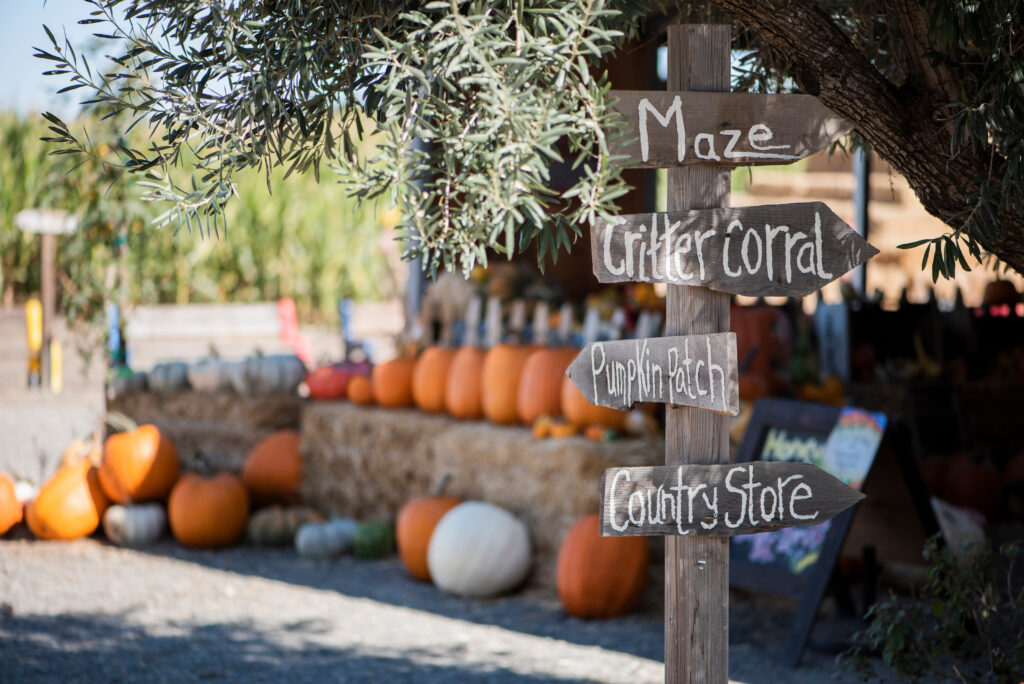
Hit up your local farmers market for the freshest produce and support your local farmers.
- Bryn Mawr Farmers’ Market | Saturdays 9 AM – 1 PM
- 7 N. Bryn Mawr Ave, Bryn Mawr, PA
- West Chester Growers Market | Saturdays 9 AM – 1 PM
- Corner of Church & Chestnut St in West Chester, PA
- Rittenhouse Farmers’ Market | Tuesdays 10 AM – 2 PM
- 18th & Walnut St, Philadelphia, PA
- Chestnut Hill Farmers’ Market | Saturdays 9 AM – 12 PM
- Germantown Ave & Mermaid Lane
- University Square | Wednesdays 10 AM – 5 PM
- University of Penn bookstore 36th & Walnut St, Philadelphia, PA
- Fairmount Farmers’ Market | Thursdays 3 PM – 7 PM
- 22nd & Fairmount, Philadelphia, PA
Some spooky vibes…
Visit amazing haunted experiences:
- Sleepy Hallow Haunted Acres, Newtown, PA
- Bates Motel & Haunted House, Glen Mills, PA
- The Valley of Fear, Featerville, PA
- Lincoln Mill Haunted House – Philadelphia, PA
Explore an actually haunted location in our 250-year-old city. Some locations have ghost tours; check out the links.
- Fort Mifflin – Revolutionary War fort widely known as one of the most haunted places in the country.
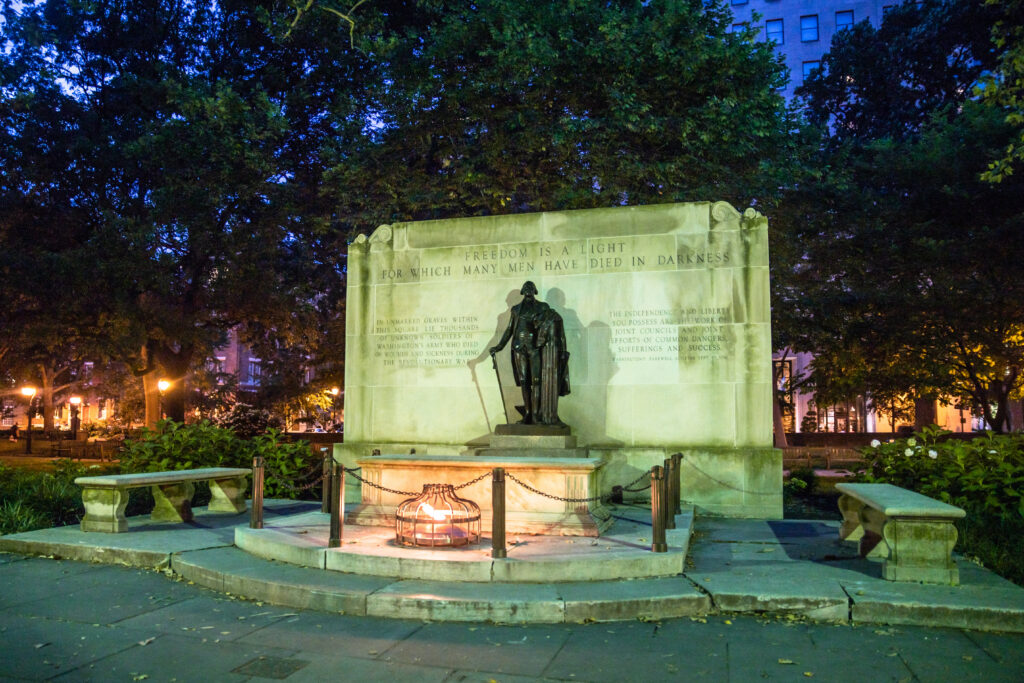
- Washington Square Park – a mass burial ground from the Revolutionary War that is said to have 2,000-5,000 bodies still buried.
- Cruiser Olympa – tales of murder and suicide are said to have explained a paranormal presence aboard.
- Laurel Hill Cemetery – One of the oldest cemeteries in the country, and is said to have “hot spots” of activity.
The adventurous autumn wander…

- Ride in the Philly Bike Ride
- October 17 | 7:00 AM
Hike the many trails and parks around Philadelphia. Depending on how far you want to go from Philadelphia Center City to get there, here are some options!
- Andalusia Historic House & Gardens – 30-minute drive
- Photo source: Andalusia Historic House, Gardens & Arboretum
- Chester Creek Trail – 40 minutes
- Delaware Canal Towpath – 50 minutes
- John Heinz National Wildlife Refuge at Tinicum – 20-minute drive
- Laurel Hill – 20-25 minutes
- Pennypack Park – 20-30 minutes
Other fun things to do…
- Fall Pasta Making Class
- October 21 | Calandrino’s Old City Vino
- Boktoberfest Pumpkin Painting
- October 14, 21, & 28 | Bok Bar
- Paint a pumpkin and have a drink with a view.
- Head of Schuylkill Regatta
- October 24 – 25 | Kelly Dr & Fountain Green Dr on the Schuylkill River
- Chocolate & Coffee Festival
- October 24 – 25 | Greater Philadelphia Expo Center
- Monster Mash Bloody Mary Challenge 2026
- October 17 – 18 & October 24 – 25 | Northern Liberties participating bars